
In today’s fast-paced business environment, understanding market trends is crucial for staying competitive. Data-driven decision-making allows companies to anticipate changes, identify opportunities, and mitigate risks. Leveraging data effectively can transform raw numbers into actionable insights that guide strategic planning and marketing efforts. This article explores how businesses can use data to understand market trends, the role of market research, and practical examples of marketing insights.
The Role of Market Research in Identifying Trends
Market research is the foundation for gathering and analysing data about consumers, competitors, and the overall market environment. It helps businesses understand customer preferences, buying behaviours, and emerging trends. By conducting thorough market research, companies can make informed decisions that align with current and future market demands.
Market research typically involves collecting both qualitative and quantitative data. Qualitative data provides context and understanding of customer motivations, while quantitative data offers measurable statistics that reveal patterns and trends. Combining these approaches gives a comprehensive view of the market landscape.
For example, a company launching a new product might use surveys and focus groups to gather customer opinions (qualitative) and analyse sales data or website traffic (quantitative) to validate demand. This dual approach ensures that the product meets real customer needs and fits market trends.

How to Use Market Research Data to Predict Trends
Predicting market trends requires more than just collecting data; it involves interpreting the data correctly and applying it strategically. Here are some practical steps to leverage market research data for trend prediction:
- Collect Relevant Data Focus on data that directly impacts your industry or target market. This can include customer feedback, competitor performance, social media trends, and economic indicators.
- Analyse Historical Data Look for patterns over time. Historical sales figures, seasonal fluctuations, and past marketing campaign results can reveal recurring trends.
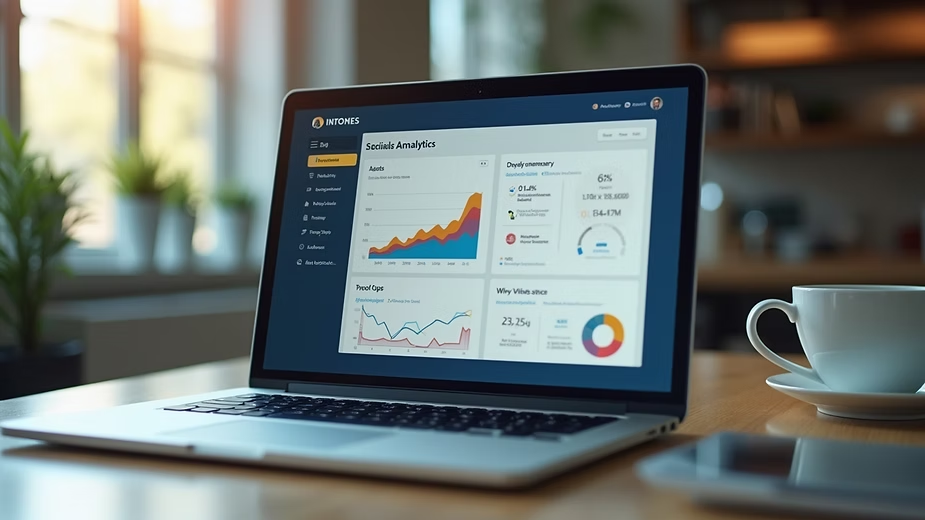
- Use Advanced Analytics Tools Employ tools like predictive analytics, machine learning, and data visualisation software to identify correlations and forecast future behaviours.
- Monitor Social Media and Online Behaviour Social platforms often reflect emerging consumer interests and sentiments. Tracking hashtags, mentions, and engagement rates can provide early signals of trend shifts.
- Engage with Industry Experts Combine data insights with expert opinions to validate findings and gain deeper understanding.
By following these steps, businesses can anticipate changes in consumer preferences and adjust their strategies accordingly.

What is an example of a marketing insight?
A marketing insight is a deep understanding of consumer behaviour or market dynamics that can inform marketing strategies. For instance, a retailer might discover through data analysis that customers are increasingly purchasing eco-friendly products during certain months of the year. This insight allows the retailer to tailor marketing campaigns and stock inventory to meet this demand.
Another example could be identifying that a specific demographic segment prefers shopping online late at night. This insight can lead to targeted promotions during those hours, increasing conversion rates.
Marketing insights often come from combining various data sources, such as sales data, customer surveys, and social media analytics. They help businesses create personalised marketing messages, optimise product offerings, and improve customer engagement.

Practical Recommendations for Leveraging Data Effectively
To make the most of data in understanding market trends, businesses should adopt the following best practices:
- Invest in Quality Data Collection: Ensure data is accurate, relevant, and up-to-date. Poor data quality can lead to misleading conclusions.
- Integrate Data Sources: Combine internal data (sales, CRM) with external data (market reports, social media) for a holistic view.
- Train Teams on Data Literacy: Equip employees with skills to interpret data and use it in decision-making.
- Use Visualisation Tools: Present data in clear, visual formats to facilitate understanding and communication.
- Regularly Update Market Research: Markets evolve quickly; continuous research keeps insights current.
- Collaborate with Market Research Experts: Partnering with professionals can enhance the depth and accuracy of insights. For example, accessing market research insights from specialised consultants can provide tailored analysis and recommendations.
By implementing these strategies, businesses can turn data into a powerful asset for navigating market trends.
Embracing Data-Driven Strategies for Future Growth
The ability to leverage data for understanding market trends is no longer optional but essential. Companies that embrace data-driven strategies can respond faster to market changes, innovate effectively, and build stronger customer relationships.
Looking ahead, advancements in artificial intelligence and big data analytics will further enhance the capacity to predict trends and personalise marketing efforts. Businesses should stay proactive in adopting new technologies and methodologies to maintain a competitive edge.
In summary, leveraging data through comprehensive market research and insightful analysis empowers businesses to make smarter decisions. This approach not only improves current performance but also sets the stage for sustainable growth in an ever-changing market landscape.